Source Acid Resistant Chemical Mixing Reactor for Chemical, Daily, and Manufacturing
Find 21 acid resistant chemical mixing reactor units with capacities from 0.25L to 50m3. Buyers can compare stainless steel models featuring automatic agitation, dimple jackets, and ISO9001 certification for chemical and daily chemical applications; compare the available evidence and request quotations based on your requirements.
Key considerations
Products List



Comprehensive Sourcing Guide
Acid Resistant Chemical Mixing Reactor Sourcing Guide
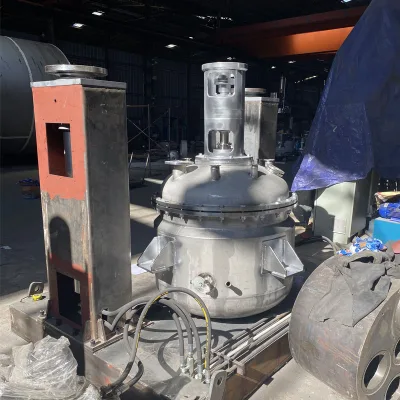
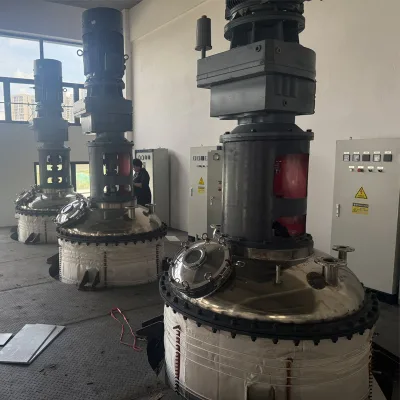
Acid resistant chemical mixing reactors are engineered to handle corrosive media while maintaining precise agitation and temperature control. These vessels typically feature stainless steel construction, specifically grades like SS304 or SS304L, which provide essential resistance against acidic environments. Buyers must verify that the material grade matches the specific chemical composition and concentration of the intended process fluid to prevent premature corrosion or structural failure.
The operational scope for these units spans from small laboratory volumes of 0.25 liters up to industrial capacities of 50 cubic meters. This wide range allows manufacturers to select equipment that fits both pilot testing and full-scale production needs. When sourcing, it is critical to confirm that the selected capacity aligns with the actual throughput requirements, as the structural integrity and heating efficiency vary significantly between a 300-liter unit and a 2000-liter vessel.
Product Scope and Observed Listing Signals
Market listings for these reactors often highlight specific functional capabilities such as dispersing, stirring, and defoaming within a closed-type structure. The observed product range includes models designed for mixture applications, with some units featuring combined agitator models to optimize mixing efficiency for complex chemical formulations. Buyers should scrutinize the listed structural type to ensure it matches the process requirements, particularly whether a closed system is necessary for volatile or hazardous substances.
Listing signals frequently indicate that customization is available, allowing for tailored solutions regarding jacket types and bottom configurations. Some products specify a 60-degree conical bottom or dimple jacket structures, which are critical for effective heat transfer and complete drainage. Procurement teams must distinguish between standard export packages and specialized shipping methods like plywood cases or steel frames to ensure the equipment arrives without damage during transit.
Technical Specifications to Verify
Pressure ratings are a primary technical constraint, with many units operating within the medium pressure range of 1.6 MPa to 10.0 MPa. Specific listings may cite a maximum working pressure of 2 MPa, which requires careful validation against the actual process pressure to ensure safety margins are adequate. Buyers must verify the pressure vessel classification and confirm that the core components are rated for the intended operating conditions to avoid catastrophic failure during high-pressure cycles.
Heat transfer mechanisms vary significantly, with options including outside or inside coil heating and jacketed structures. The choice between a single-layer jacket and a dimple jacket impacts the uniformity of temperature distribution, which is vital for exothermic reactions or precise fermentation processes. Additionally, the automatic grade of the equipment should be confirmed, as fully automatic systems offer enhanced control over agitation speeds and temperature profiles compared to manual or semi-automatic variants.
Compliance and Safety Documentation
Certification status is a fundamental requirement for industrial equipment, with ISO9001 being a commonly observed standard for manufacturing quality management. Buyers must request valid certification documents to ensure the supplier adheres to recognized quality control protocols throughout the production process. It is essential to verify that the certification covers the specific model and capacity being purchased, rather than relying on a general company-wide certificate that may not apply to the specific batch.
Safety documentation must also address the storage medium and structural integrity of the pressure vessel. Since these reactors are often used for moncombustible or nontoxic media, the design must prevent leaks and ensure safe handling of the contents. Procurement teams should require detailed safety data sheets and pressure vessel test reports that confirm the structural integrity of the tank material and the reliability of the sealing mechanisms under operating pressure.
Cost Drivers and Commercial Terms
The price of these reactors is heavily influenced by capacity, material grade, and the complexity of the heating and agitation systems. Observed market prices range widely, reflecting the difference between a basic 300-liter unit and a complex 2000-liter system with advanced control features. Buyers should expect that higher capacities and specialized materials like SS304L will command a premium, and cost comparisons must account for these specific technical differentiators rather than just the base unit price.
Commercial terms often include customization fees and specific packaging requirements that affect the final landed cost. While some listings indicate a minimum order quantity of one unit, the lead time and shipping method can vary based on the origin and the specific configuration requested. It is crucial to clarify whether the quoted price includes the standard exported package or if additional costs apply for specialized shipping solutions like steel frames or plywood cases.
Supplier Qualification and Quality Control
Supplier qualification should focus on the manufacturing origin and the specific production capabilities regarding pressure vessels. Many listings indicate an origin in Guangdong, China, which is a known hub for chemical equipment manufacturing, but buyers must verify the specific factory's experience with acid-resistant applications. The presence of online support or video after-warranty service is a positive indicator of supplier reliability, suggesting they are prepared to assist with installation and troubleshooting.
Quality control processes must be validated through the supplier's adherence to standards and their ability to provide detailed product specifications. The listed standards, such as CJF or customized specifications, should be cross-referenced with the buyer's internal engineering requirements. Buyers should request evidence of the production process, including material traceability and pressure testing records, to ensure the final product meets the rigorous demands of chemical processing environments.
Long-Term Procurement Checks
Long-term reliability depends on the availability of after-sales support and the durability of the core components. Suppliers offering video support or online assistance can significantly reduce downtime during maintenance or operational issues. Buyers should establish clear communication channels for technical support before finalizing the purchase, ensuring that assistance is available for troubleshooting pressure fluctuations or agitator malfunctions.
Maintenance planning must account for the specific structural features of the reactor, such as the jacket type and agitator model. Regular inspections of the dimple jacket or coil heating systems are necessary to prevent scaling or corrosion that could compromise heat transfer efficiency. Procurement teams should develop a maintenance schedule based on the manufacturer's recommendations for the specific model, ensuring that the equipment remains safe and efficient throughout its operational lifespan.
FAQs
What is the pressure level for this reactor?
The reactor operates at medium pressure ranging from 1.6MPa to less than 10.0MPa. This specification ensures safe handling of mixtures while maintaining structural integrity for chemical processing applications in industrial settings.
Can the reactor be customized for specific needs?
Yes, customization is available for this high-pressure chemical mixing reactor. Buyers can request specific capacities ranging from 0.25 liters up to 50 cubic meters to match their unique production requirements and facility constraints.
Which materials are used to construct the tank?
The tank is constructed from stainless steel, specifically SS304 or SS304L grades. This material choice provides excellent corrosion resistance and durability for storing and mixing moncombustible or nontoxic media in various chemical processes.
How is the reactor heated or cooled?
The unit features a jacketed heat transfer structure with options for dimple jackets or single layers. Heating can be achieved through outside or inside coils, allowing precise temperature control during the mixing and reaction processes.
What certifications does the equipment hold?
The equipment holds ISO9001 certification, ensuring adherence to international quality management standards. This certification validates the manufacturing process and product reliability for buyers seeking compliant industrial machinery for their chemical production lines.
What is the warranty service provided?
After warranty service includes online support or video assistance for troubleshooting. This ensures buyers receive timely technical guidance to maintain operational efficiency and resolve any potential issues with the reactor system quickly.
How is the reactor packed for shipping?
Packaging options include standard exported packages, plywood cases, or steel frames for container shipping. These methods protect the equipment during transit and ensure safe delivery to manufacturing plants or industrial facilities worldwide.